


Saved for later

YOUR WISHLIST
Nothing saved... yet.
Tap the heart on anything you like and it'll wait for you here.
Browse Best SellersPets love these.
Humans do too.


YOUR WISHLIST
Tap the heart on anything you like and it'll wait for you here.
Browse Best Sellers
Wagglynn Helper
Answers in seconds. Not a vet.
1Who needs help?
2What's the problem?
Nothing matched that. Try a different word, or pick one of the options.
3How old are they? optional
Fleas are the most common reason a dog scratches, chews at the base of the tail, or has tiny dark specks in the coat. Ticks show up after walks in grass and woods.


Constant scratching or paw licking with no fleas usually points to dry skin, an environmental allergy, or something in the food.


A one-off loose stool after a new treat or a bin raid is common. Ongoing soft stool or gas usually means the gut bacteria need help or the food changed too fast.

Trembling, pacing, whining or destruction when you leave are stress, not naughtiness. Fireworks, storms, moving house and being left alone are the big four.


Chewed shoes, dug-up gardens and non-stop barking are almost always a dog with more energy than jobs. Puppies also chew to soothe teething.


By age three most dogs have some gum disease. Bad breath is the first sign; brown tartar and red gums follow.


Seasonal shedding in spring and autumn is normal. Clumps, mats or bald patches are not.


Hesitating at stairs, struggling to get up, or slowing on walks usually means sore joints. Big breeds and seniors get it most, but young dogs can too.


Pulling is a habit, not defiance: the leash goes tight and the dog still gets where it wanted to go. Paws also take a beating from hot pavement, salt and grit.


Puppies can hold it about one hour per month of age. Adult dogs that suddenly have accidents are usually telling you something medical.


Heartworm is spread by mosquitoes and is common in Maryland. Prevention is a monthly chew; treatment once infected is long and hard on the dog.

Drooling, whining and vomiting in the car are usually motion sickness in puppies and anxiety in adults. Both improve with short, calm, frequent trips.


A healthy dog that skips a meal is usually holding out for something better. A dog that skips two days is not being fussy.


Cats hide fleas well. Scabs along the spine, over-grooming and black specks that turn red on wet paper are the giveaways.

Cats show stress by hiding, over-grooming, spraying or picking fights. Moving, a new pet, builders or even new furniture can set it off.


A cat that stops using the box is either unwell, unhappy with the box, or stressed. Work through it in that order.


Soft stool after a food change or a stressful week is common. Hairballs and vomiting once a week or more are not something to live with.


Scratching the sofa, 3 a.m. sprints and knocking things off shelves are an indoor cat with nowhere to put its hunting energy.


Cats evolved to get water from prey, so many barely drink. On dry food that quietly stresses the kidneys and bladder.
Most dogs and cats cope with a working day if the run-up and the environment are right. Trouble shows as barking, chewing, accidents or not eating while you're out.

Puppies and kittens: most flea, tick and supplement products have a minimum age and weight on the label. Check it before the first dose, and ask us if you're not sure.
Seniors: a new symptom in an older pet, especially drinking more, losing weight or slowing down, is worth a vet check before buying anything.
This is general guidance from a pet shop, not a diagnosis. Your vet knows your pet; when in doubt, call them.

 Pets make life better
POPULAR SEARCHES
RECENT
TRENDING
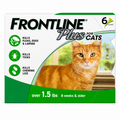 FrontlineFrontline Plus for Cats & Kittens – Flea & Tick Treatment
$24.99
FrontlineFrontline Plus for Cats & Kittens – Flea & Tick Treatment
$24.99
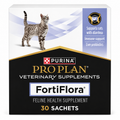 PurinaPurina Pro Plan FortiFlora Cat Probiotic – 30 Sachets for Digestive Support
$34.99
PurinaPurina Pro Plan FortiFlora Cat Probiotic – 30 Sachets for Digestive Support
$34.99
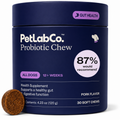 PetLab Co.PetLab Co. Probiotic Chews for Dogs – Gut Health Supplement 30 Count
$35.99
PetLab Co.PetLab Co. Probiotic Chews for Dogs – Gut Health Supplement 30 Count
$35.99
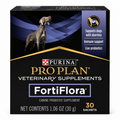 PurinaPurina Pro Plan FortiFlora Dog Probiotic – 30 Sachets for Digestive Support
$33.99
PurinaPurina Pro Plan FortiFlora Dog Probiotic – 30 Sachets for Digestive Support
$33.99
COLLECTIONS