

Probiotics are everywhere in the pet aisle now: powders, chews, sachets, even treats. They can be genuinely useful. They're also not magic, and knowing the difference saves money and worry.
What a probiotic actually is
A probiotic is a supplement of live, beneficial bacteria. The idea is to support the balance of bacteria in your pet's gut, which does a lot of quiet work in digestion. Different products use different strains, and good ones tell you exactly which strain they contain and how much.
When people commonly use them
- After a stressful change: boarding, a house move, travel, a new pet in the home. Stress often shows up in the stool first.
- During a food change: alongside a slow switch from one food to another.
- Occasional loose stool in an otherwise healthy, bright, eating pet.
- Around a course of antibiotics, but only with your vet's guidance on timing.
What they can't do
- They don't treat an illness. Ongoing diarrhea, vomiting or weight loss need a diagnosis, not a supplement.
- They don't fix a food allergy or intolerance. Finding the trigger does.
- They don't replace a vet visit when something is clearly wrong.
How to choose one
- Buy for the right species. Dog and cat products differ in dose and format. Use the one made for your pet.
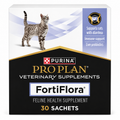
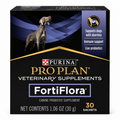
- Look for a named strain. For example, Purina's FortiFlora lists Enterococcus faecium SF68 on the label. "Proprietary blend" tells you less.
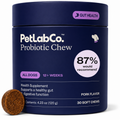
- Pick a format your pet will actually take. Powders sprinkle over food; chews suit dogs who treat everything as a treat.
- Follow the label dose. More isn't better.
Giving it well
Give it at the same time each day, usually with a meal, for as long as the label or your vet suggests. Judge it over days rather than hours, and keep everything else (food, treats) as steady as you can so you can actually tell whether it's helping.
If you're also changing food, go slowly: mix a little of the new food into the old over about a week, increasing the new portion each day.
When to call the vet instead
- Blood in the stool, or black, tarry stool.
- Vomiting more than once, or diarrhea lasting more than a day or two.
- Your pet is quiet, tired, or refusing food. A cat that stops eating for more than a day needs a vet promptly.
- Puppies, kittens, seniors, or pets with existing health conditions: ask before starting anything new.
Nothing here is veterinary advice. It's a guide to asking better questions, and your vet always has the final word.